



Pre-Production
Planning, research and organisation
The beginning of every film project. In most cases, we have to visit the locations to get an impression of the spaces available for filming, the lighting conditions, how much space is available for the film crew, whether there are any construction sites in the building or in the immediate vicinity – issues such as disruptive noise, what times filming can take place, where interviews can be conducted in peace, whether the air conditioning can be turned off and, if so, who is responsible for doing so, what time of year would be best for filming, etc.
This list could go on and on, and it is often precisely these costs of film production that are quickly underestimated.
Preview of the filming locations
As we mentioned above, assessing the available filming locations is an important part of pre-production. This allows us to inspect premises or outdoor facilities and check that they meet all the requirements necessary for a comfortable day of filming. In addition, such preliminary visits are always important for getting a feel for the location, and we like to be inspired by first impressions! These inspirations generate initial ideas, which can then be incorporated into an initial storyboard.
Development of a storyboard for your corporate film
The storyboard is an initial drawn or written version of the script. As the client, it gives you a first impression of the finished film, and as the film production company, it allows us to find out whether you like our film ideas.
Filming locations subject to a fee
In many places in a city, we as a film crew cannot simply set up and start shooting. In a park in Berlin, you must register your filming with the relevant park authority and, in most cases, pay a fee. For larger shoots on public roads, there are a number of additional fees and costs associated with film production.

Film Production
travel expenses
The travel costs of a film production depend on the size of the film crew and the specifics of the filming location. These costs include not only the crew's travel expenses, but also flight and train tickets, vehicle rentals, fuel costs, accommodation costs, visa applications and vaccinations, special travel insurance and other things that may not even occur to you at this point.
Use and scope of the desired film technology
We can shoot your image film with one camera or capture the film scenes with several cameras from different positions on the spot. This gives us a wide range of design options during editing and means that certain scenes in a film do not have to be repeated as often. However, complex lighting of the set, sliders for smooth camera movements or the use of stabilisation systems also incur additional costs in film production.
The use of drones is also becoming increasingly important. We have various models at our disposal, which we can offer you depending on the intended use.
Film and recording format
Here we need to decide on the format in which we should shoot your image film. With a Red Weapon, this could be done in 8K, i.e. with a resolution of 8192 × 4320 pixels. The question is whether you need this, or whether your film would be sufficient for all your distribution channels with today's standard HD resolution of 1920 × 1080 pixels.
We almost always shoot in 4K (UHD) and, in post-production, we have the option of using a different section of the video image than the one intended by the cameraman without any loss of quality. This is particularly popular for interviews in order to avoid the cost of a second camera. If an interview needs to be edited, you simply choose a different section of the frame during editing.
Film crew size
Direction, cinematography and sound are the cornerstones of our film productions. If the lighting conditions are poor or a specific look is required, it makes sense to have a lighting technician on board, a make-up artist for the protagonists and an assistant who can upload the filmed material to the editing computer so that we can assess it on the spot.
Dircetion
It is the director's job to ensure that your film is made in accordance with the script we have developed together. The director bears artistic responsibility and is particularly important when we are telling a story in your film that is to be carried and told by actors. In most cases, our writers take on the role of director.
Sound
Most people are unaware of how important sound is in film. Sounds and sound effects can be used to emphasise the composition or transition of images, create moods and set accents. For us, sound is an integral part of film. A beautiful interview image with poorly recorded, overmodulated, distorted or noisy interview sound ruins the entire film.
Images and sequences in the final film without atmospheric sounds, accompanied only by music, are unthinkable for us. Our consciousness misses something when we see a large crowd of people and someone is laughing in the foreground, but we don't hear any sound of that laughter or the other noises of such an event. To ensure that we always have good sound quality in post-production, sound and how it is recorded is a very important cost factor for us.
lighting design
Film breathes with light. Only the correct use of light, ideally in conjunction with a professional lighting technician, guarantees impressive images. We use light to create moods and add depth to rooms.
Modern film cameras are very light-sensitive, allowing us to shoot even in poor lighting conditions. However, if you want to create a very specific mood or avoid making an interview appear flat and two-dimensional, you should pay more attention to the cost factor of lighting for your production.
filming in the studio
You want to advertise one of your company's products. In that case, it makes sense to shoot in a studio where we can work in peace and quiet. A green screen can also be set up here and used to display photos, videos and documents.
We do not have our own studio, but we work with partners from whom we can rent studios of all sizes.
Actors and extras
You can use extras and actors for your film, as in this example here. In some cases, this is even better than finding suitable people within your own company. After all, if your employees leave the company or change jobs, the elaborately produced film could become useless.
In most cases, however, we recommend that you convince your employees and produce a film that is honest and authentic. Like this example here.
The better and more famous the actors are, the more money you will have to spend. Added to this are the costs for the so-called buy-out.
insurance
Our film equipment is not cheap and must be insured. Your production facilities could be damaged by an accident during filming, which would be an unpleasant situation for everyone involved. We want to avoid such a situation and have insured ourselves against all eventualities for your safety. We have to pass on a small portion of these expenses.

Post-Production
Editing
Once you have decided on the recording format for 8K Red Raw material, this complex and high-quality production process must also be continued during editing. Editing computers that can play multiple 8K streams simultaneously cannot be compared to office computers for Word documents, either in terms of performance or purchase cost.
Our post-production facilities are always kept up to date with the latest technology, and our editing, audio and effects software is regularly updated.
animations
You want to present your company's figures and results clearly or supplement sections and stories in your film with animations. Most films also need a customised end title. Here you can display your logo, website address, telephone number or a call to action for your customers. And if you want it to look good, everything can be animated.
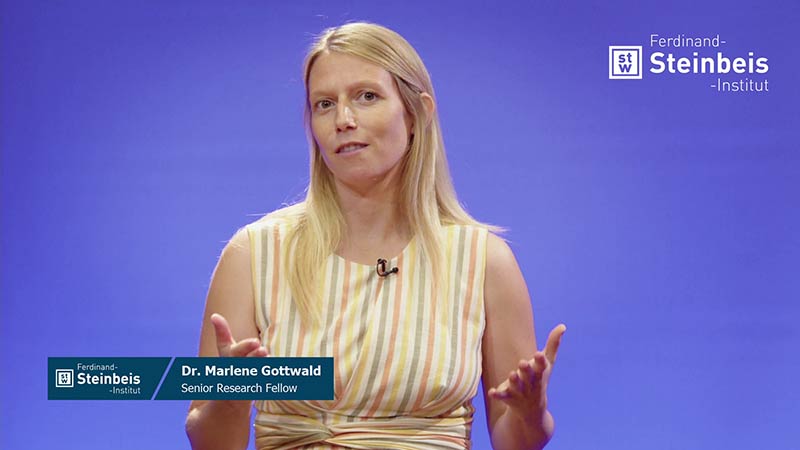
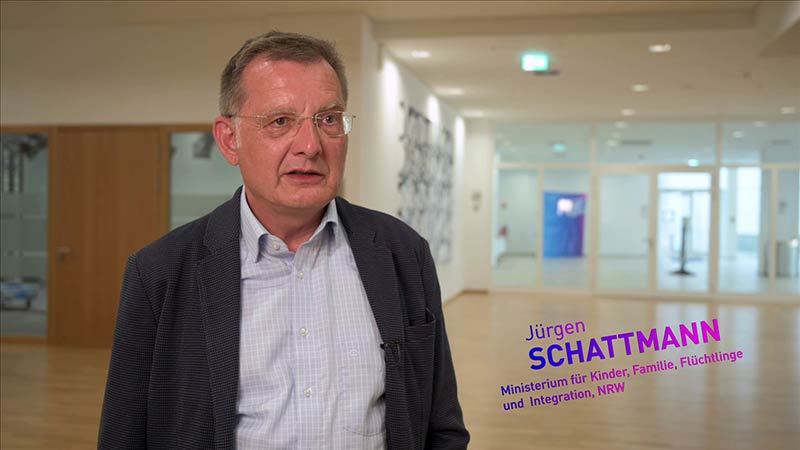
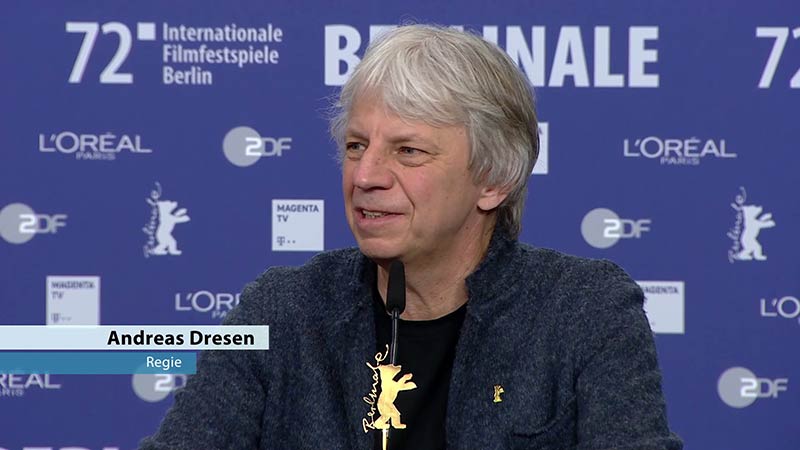
Captions are also important. These are text inserts of all kinds, but in most cases they contain the name and function or position of a person who is currently speaking to us in the film. However, they can also be place names or the part names of a very complex machine. Animated graphics appear more dynamic, but are also more expensive to produce than static graphic elements and thus represent an additional item in the costs of film production.

Graphic design elements
Special font styles, known as corporate fonts, may be important for you here, or the images in your film may need to reflect your company's corporate colours.
The aforementioned captions are also a good example of static graphic elements. Static graphics such as captions, but also start and end screens, are essential, especially for live stream productions, and are therefore an important factor in the cost of such film productions.
Speakers
Not every corporate video needs a voice-over – but if it does, choosing the right voice is one of the most crucial creative decisions in the entire production process. The voice, pace and tone often convey your brand more effectively than the text itself.
When it comes to the cost of a voice recording, we distinguish between two factors:
Fee for the recording: The fee depends on whether you choose a professional but unknown voice or a well-known actor or dubbing voice. We regularly work with voice artists from the platform sprecherdatei.de – ranging from seasoned professional voices to well-known actors. For example, the actress Marleen Lohse provided the voiceover for our corporate film for the Standing Conference of Nazi Memorial Sites in the Berlin area.
Usage rights and buy-out: For corporate films used on the company website, at trade fairs, at events or internally, our experience shows that the fee is a flat rate and includes the usage rights for these channels. The situation may be different if a film is later also used in TV adverts or paid online campaigns – because in that case, the voice recordings are considered actively broadcast advertising, and separate buy-out costs may apply. This is a point that many clients do not have on their radar – we always highlight this transparently in our quote so that there are no surprises later on.
For us, voice recording involves more than simply booking a voice: we oversee the recording, coordinate the pace, intonation and style with the voice artist, and ensure that the narration works perfectly with the visuals and music during editing. This production work is included in our quote.
On request, we can provide you with demo recordings from various voice artists for comparison before you book.
Music
GEMA-free music, licensed music or commissioned compositions
Music is far more than just background noise – it determines the emotional impact of your film, whether it sounds high-quality and whether it leaves a lasting impression. When selecting and licensing music for corporate films, there are three main approaches:
1. Royalty-free music from licensing platforms
Providers such as Musicbed, Artlist or Epidemic Sound offer extensive libraries of professionally produced tracks, for which an annual or project licence is purchased. The cost of a single licence typically ranges from 50 to several hundred euros, depending on the platform, scope of use and duration. The advantage: legally compliant, immediately available, wide selection. The disadvantage: your film may sound similar to other productions that have licensed the same track.
2. GEMA-licensed music
If you want a well-known song or a specific artist for your film, a GEMA licence is required – and in most cases, a direct agreement with the rights holder or publisher is also needed. These costs can be substantial and are difficult to estimate as a flat rate. We do not recommend this route for most corporate films.
3. Commissioned composition
A composer writes music exclusively for your film. This is the most expensive option – but the only one that gives your film a truly distinctive sound identity that perfectly matches your brand. This investment can be particularly worthwhile for corporate films intended for long-term use or for brands with a strong audio identity (audio branding).
We can advise you on all three options and recommend the solution that best suits your budget and intended use.
Rights of use and licensing
Who is allowed to use your film – and for how long?
A cost factor that is often underestimated: the rights of use for the finished film itself. Our offer specifies the channels, duration and geographical area for which we grant you the usage rights. This applies not only to the film as a whole, but also to individual components:
- Actors and extras: Fees and buy-out arrangements (which channels, for how long, extension options)
- Voice-over artists: Similar to actors – voice and usage must be clearly defined
- Music: GEMA-free music requires a licence from the relevant provider; commissioned music is generally royalty-free but more expensive to produce
- Archive material and stock photos: If we use image or film material from third parties, the relevant licence costs are shown separately
Problems arise when a film is initially produced solely for the website – and is later shown on TV or at an international trade fair without the rights having been extended accordingly. Such retrospective extensions are generally more expensive than a forward-looking arrangement included in the initial offer.
We always set out usage rights transparently and in full in our offers. If you are unsure which distribution channels are realistic for your film, we will discuss this openly during our initial meeting.